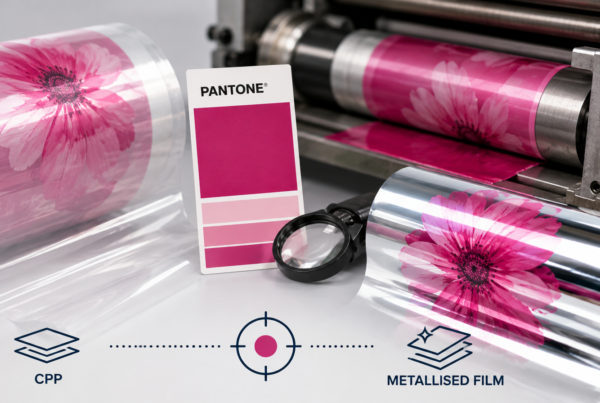
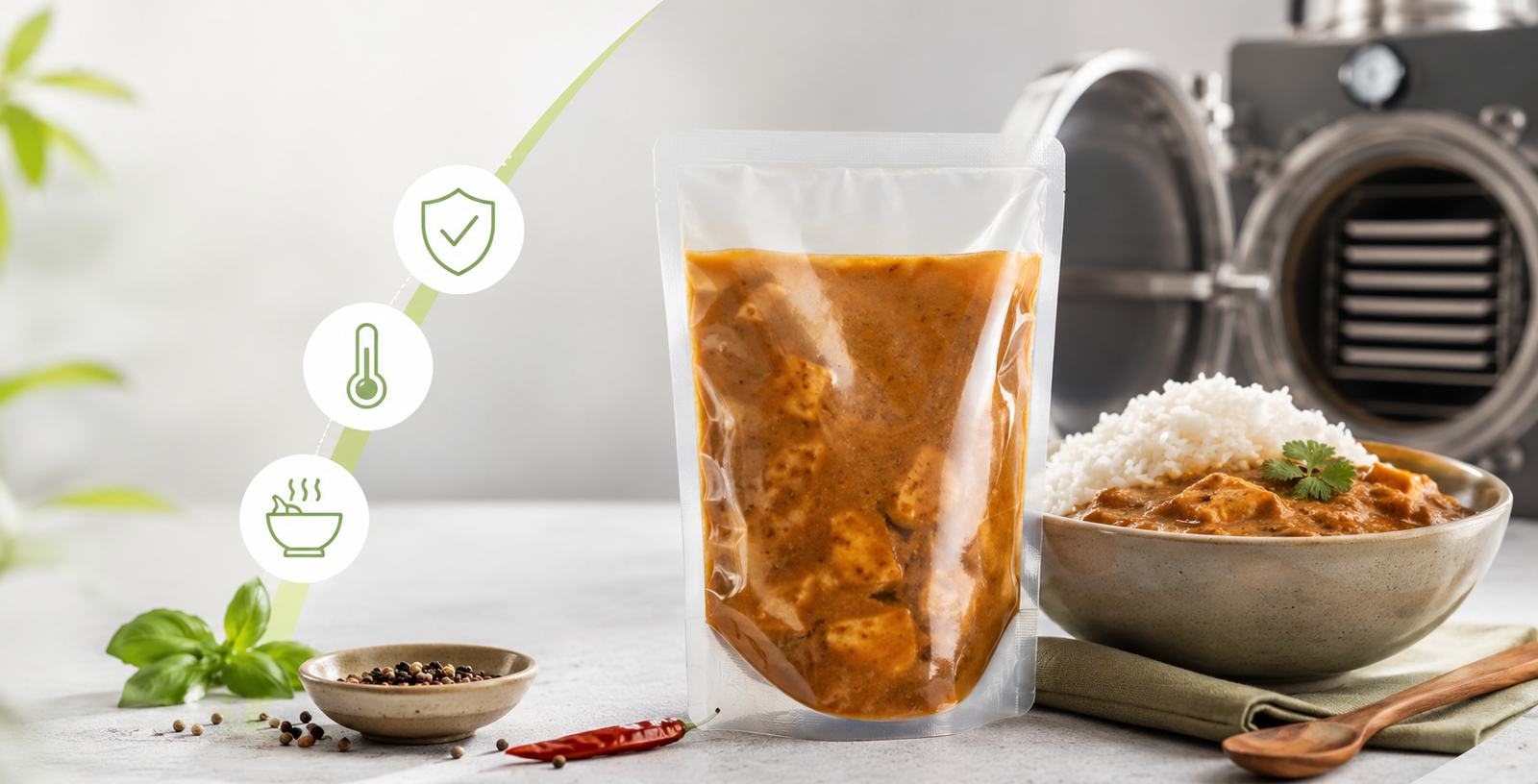
The ready-to-eat (RTE) food market in India is growing at an extraordinary pace. From retort pouches of dal makhani sold in modern retail to sterilised baby food packets shipped across the country, flexible packaging is at the centre of this revolution. And at the heart of that packaging is a material most brand owners overlook until something goes wrong – retort-grade CPP film.
If you are formulating a new RTE product, upgrading your packaging format, or simply evaluating suppliers, this guide gives you everything you need to make an informed decision.
What Is Retort-Grade CPP Film?
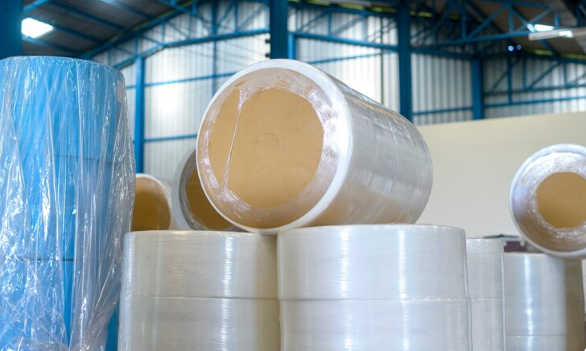
Cast Polypropylene (CPP) film is a flexible packaging substrate produced by extruding molten polypropylene resin through a flat die and cooling it rapidly on a chill roll. This process gives CPP its characteristic clarity, softness, and heat-sealability.
Retort-grade CPP is a specialised variant engineered to withstand the extreme conditions of the retort sterilisation process – typically 121°C to 135°C under pressure for 20 to 45 minutes. Standard CPP films cannot survive this. Retort CPP is formulated with specific copolymer resins and stabilisers that maintain seal integrity, dimensional stability, and barrier performance even after thermal treatment.
In a finished retort pouch structure, CPP almost always forms the innermost sealant layer – the layer in direct contact with food. Its performance therefore directly determines whether your product stays fresh, safe, and commercially viable.
Why Retort CPP Is Not the Same as Standard CPP
This distinction matters enormously when sourcing. Many converters and brand owners mistakenly assume that any CPP film can be used in a retort structure. The consequences of this error include:
- Seal failure during or after sterilisation, causing spoilage and product recalls
- Delamination of the laminate structure under heat and pressure
- Flavour scalping – the film absorbing product aroma compounds and tainting the food
- Whitening or haze development in the film, signalling material degradation
- Regulatory non-compliance if food-contact migration limits are exceeded post-retort
Retort-grade CPP is tested and certified to handle repeated thermal stress. It uses broader sealing ranges, higher hot-tack strength, and resins compliant with food safety regulations including BIS (Bureau of Indian Standards), FSSAI, and global standards such as FDA 21 CFR and EU Regulation 10/2011.
Key Technical Specifications to Ask Your Supplier
When evaluating a retort CPP film supplier, the following parameters are non-negotiable:
1. Sterilisation Temperature Tolerance
Confirm the film is validated for your specific retort cycle. Standard retort is 121°C for 30 minutes. High-acid foods processed at lower temperatures and low-acid products requiring full sterilisation at 135°C need different grades.
2. Seal Initiation Temperature (SIT) and Hot Tack
A lower SIT (typically 110°C–130°C) allows sealing on high-speed form-fill-seal lines without compromising throughput. Hot tack strength – the seal strength immediately after sealing before it cools – is critical in vertical VFFS machines where pouches drop while seals are still warm.
3. Oxygen and Moisture Barrier
While CPP itself is not a high-barrier material, the overall laminate (typically PET/Nylon/Retort CPP or foil-based structures) depends on the CPP to contribute consistent seal-side barrier. Ask for OTR (Oxygen Transmission Rate) and MVTR (Moisture Vapour Transmission Rate) data sheets.
4. Food-Contact Compliance
Request a Declaration of Compliance (DoC) confirming the film meets FSSAI Regulation 2018, relevant BIS standards, and if exporting, FDA or EU food contact compliance. Migration test reports are increasingly required by retail chains and institutional buyers.
5. Gauge Uniformity
Retort films are typically supplied between 60 and 80 microns. Gauge variation beyond ±3% can cause inconsistent sealing – a common root cause of pouch failures. Reputable suppliers using 7-layer co-extrusion technology offer tighter gauge control than 3-layer plants.
Common Retort Pouch Structures and Where CPP Fits
The most common laminate structures using retort CPP in India are:
- PET 12µ / Adhesive / Nylon 15µ / Adhesive / Retort CPP 70µ – Standard transparent retort pouch
- PET 12µ / Adhesive / Aluminium Foil 9µ / Adhesive / Retort CPP 70µ – Opaque, high-barrier foil pouch
- PET 12µ / Adhesive / Nylon 15µ / Adhesive / Met-CPP / Retort CPP – Semi-barrier structure for dry-moist products
CPP is chosen as the sealant layer in all structures because of its wide sealing window, clarity (where needed), and cost advantage over cast nylon or cast PE alternatives.
What to Look for in a Retort CPP Film Supplier
Beyond technical specs, your supplier relationship will determine your long-term packaging reliability. Evaluate suppliers on:
- Manufacturing technology: 7-layer co-extrusion plants deliver superior layer thickness control and resin efficiency compared to older 3-layer lines
- Regulatory documentation: Can they provide Declaration of Compliance, migration test certificates, and resin supplier certificates on request?
- Quality systems: ISO 9001 certification, in-house testing labs (OTR, SIT, tensile, seal strength), and documented batch traceability
- Trial order flexibility: Will they supply a 50–100 kg trial roll at standard commercial pricing to allow lamination and sterilisation trials before full commitment?
- Delivery reliability: Packaging is often on the critical path of production planning. Confirmed lead times and dispatch schedules matter more than price alone
- Technical support: Can their team advise on laminate structure design, converting parameters, and troubleshoot seal failures?
The India Market Context
India’s CPP packaging films market is estimated at USD 60 million in 2025 and growing at 7% CAGR, driven largely by food processing, e-commerce, and the organised retail expansion of RTE and convenience food categories. New film plants have been commissioned across the country, meaning buyers now have more options – but also more variability in quality.
For RTE food brands specifically, the cost of a packaging failure – product recall, brand damage, regulatory scrutiny – vastly exceeds any savings made on film procurement. The right retort CPP supplier is a strategic partner, not just a commodity vendor.
Quick Buyer Checklist
- Confirm sterilisation temperature tolerance matches your retort process
- Request SIT, hot tack, OTR, and MVTR data sheets
- Verify food-contact compliance certifications (FSSAI, BIS, FDA/EU if exporting)
- Assess gauge uniformity specifications from the plant (7-layer preferred)
- Order a trial roll and conduct full lamination + retort validation before committing
- Evaluate supplier technical support capability, not just price
Conclusion
Retort-grade CPP film is one of the most technically demanding packaging substrates in the flexible packaging industry. For ready-to-eat food brands, getting this specification right is not optional – it directly determines food safety, shelf life, and consumer trust. Work with a supplier who can back their claims with data, certifications, and genuine technical collaboration.
If you are sourcing retort CPP film for your next product launch, talk to Kanodia India – India’s largest CPP film manufacturer – for trial rolls, technical datasheets, and expert guidance on your laminate structure.