Every brand needs packaging that protects its product and builds trust on the shelf. A Flexible Packaging Manufacturer Company in India plays a big role in this journey. It helps food, pharma and consumer goods brands keep their products fresh, safe and appealing to buyers. This blog explains why flexible packaging matters, what industries need from it and how to choose the right manufacturing partner.
India’s packaging industry has grown fast over the last decade. Rising demand for packaged food, online shopping and pharma exports has pushed manufacturers to improve film quality, printing precision and sustainability. Brands now expect packaging that is light, durable and visually strong.
Why Flexible Packaging Matters for Modern Brands
Flexible packaging uses thin, bendable materials like films, laminates and pouches instead of rigid boxes or bottles. It reduces material use and transport weight. This makes it cheaper to ship and easier to store.
Consumers also prefer flexible pouches because they are easy to open, reseal and carry. Brands get more space on the pack for branding, nutrition labels and design elements. This packaging style supports both function and marketing goals at the same time.
Role of a Flexible Packaging Manufacturer Company in Food Industry
Food brands need packaging that keeps products fresh for a longer shelf life. Moisture, oxygen and light can spoil food quickly if the packaging film is weak. A good manufacturer solves this with barrier films that block outside elements effectively.
Snacks, dairy, spices and ready-to-eat meals all rely on strong lamination and sealing. Metallised and window films also help brands show the product while protecting it from tampering. Food safety compliance is another area where manufacturing expertise makes a real difference.
Pharma Packaging Needs Precision and Safety
Pharmaceutical packaging cannot afford errors. Blister films, retort-grade CPP and sterile pouches must meet strict hygiene and barrier standards. Even small print misalignment can create compliance issues for drug packs.
A reliable manufacturer uses advanced engraving and printing technology to maintain accuracy across long production runs. This reduces contamination risk and supports regulatory approval. Pharma companies also look for consistent supply timelines since delays can affect patient access to medicines.
Consumer Goods Brands Need Visual Appeal and Durability
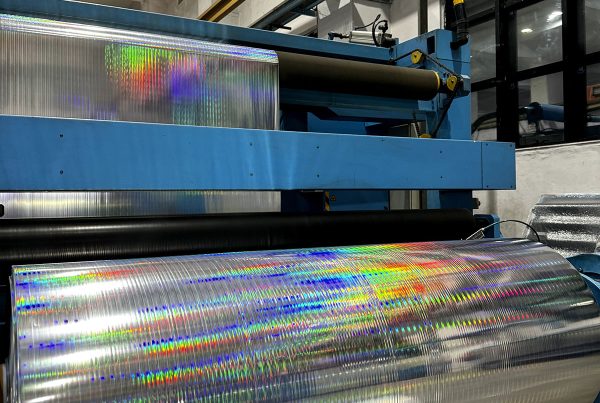
Personal care, cosmetics and FMCG products compete heavily on shelf appearance. Holographic films, laminated pouches and sachets help these products stand out visually. Packaging also needs to survive transport without tearing or leaking.
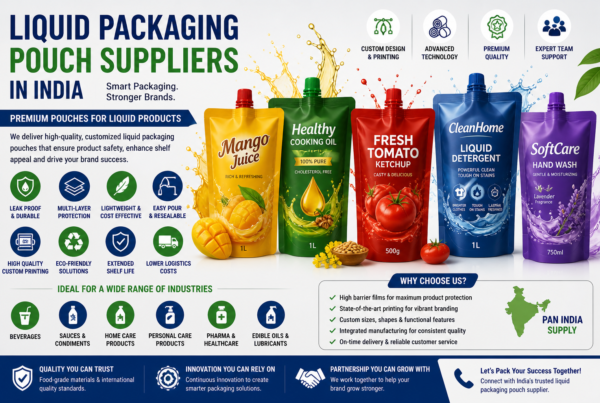
Spout pouches have become popular for liquids, sauces and personal care items. They offer leak-proof performance and a modern look that appeals to younger shoppers. Brands choosing spout packaging often see better shelf presence and customer retention.
What to Look for in a Flexible Packaging Manufacturer Company
Choosing the right manufacturing partner takes more than comparing prices. Buyers should check production capability, certifications and industry experience before signing a contract.
Here are key factors worth reviewing.
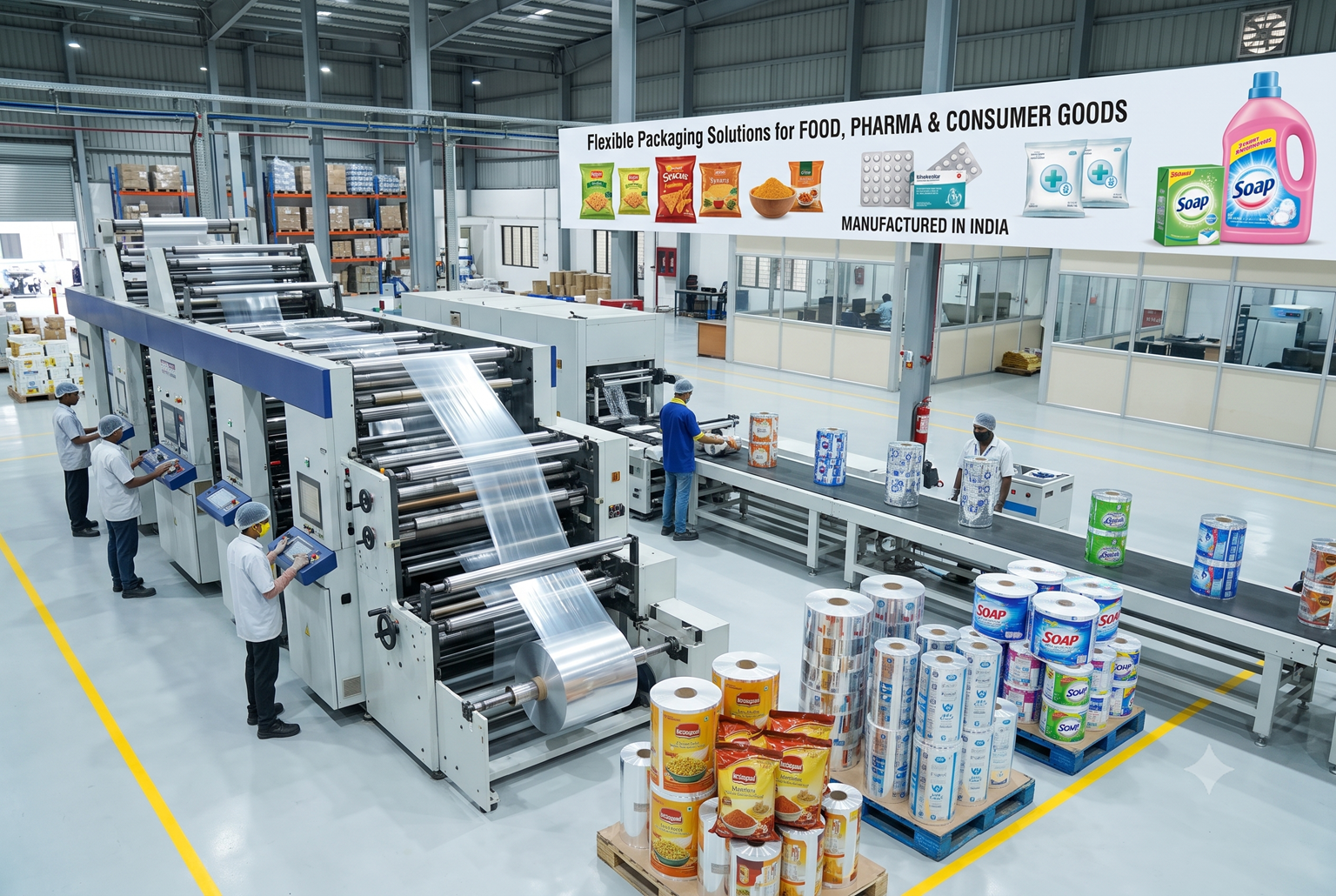
- In-house film production, lamination and cylinder engraving under one roof
- Experience across food, pharma and consumer goods packaging
- Sustainable material options like recyclable films and PCR plastics
- Fast and consistent delivery timelines
- National or international quality certifications
A manufacturer with strong in-house capability usually offers better quality control and faster turnaround. This matters most when brands need customised packaging on short notice.
Sustainability Is No Longer Optional
Environmental regulations and consumer expectations are pushing packaging companies toward greener practices. Water-based lamination, mono-material recyclable films and reduced plastic thickness are now common requests from brands.
Paper-based packaging is also gaining traction for brands wanting to cut plastic dependency. A forward-thinking Flexible Packaging Manufacturer Company balances sustainability with performance so brands do not compromise on product protection.
How Technology Is Changing Flexible Packaging
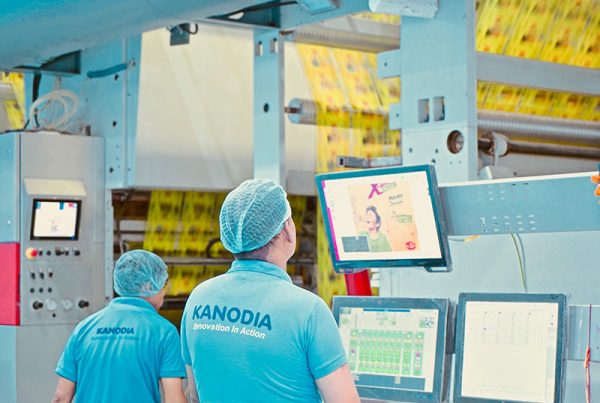
Rotogravure cylinder engraving technology has improved printing accuracy across high-speed production lines. This helps brands achieve sharper graphics and consistent colour matching across large order volumes.
Smart packaging trends, including QR codes and traceability features, are also shaping the industry. These additions help brands track supply chains and build consumer trust through transparency. You can read more about these shifts in our detailed guide on smart flexible packaging trends.
Choosing Between Films, Pouches and Laminates
Different products need different packaging formats. Films work well for wrapping and overwrap protection. Pouches suit liquids, snacks and personal care items. Laminated structures combine multiple layers for high barrier protection.
Brands unsure about which format suits their product should consult a manufacturer’s technical team early. This avoids costly redesigns later and speeds up product launch timelines. Our detailed comparison on window metallised films for spices and dry foods can help narrow down the right film type for dry food products.
Kanodia Technoplast: A Trusted Name in Flexible Packaging
Kanodia Technoplast has built decades of manufacturing experience across CPP films, laminated pouches, rotogravure cylinders and spout packaging. Its integrated production setup supports food, pharma and consumer goods brands across India and export markets. Brands exploring reliable packaging partners can also read our detailed breakdown on choosing the best flexible packaging company for food products for further guidance. You can also explore our full range of packaging films built for different industry needs.
Final Thoughts
Flexible packaging plays a growing role in protecting products, reducing waste and improving brand visibility. Food, pharma and consumer goods companies each have specific needs that only an experienced manufacturer can address properly.
Working with the right packaging partner ensures product safety, faster delivery and stronger shelf appeal. Brands that invest time in choosing the right manufacturer usually see fewer packaging failures and better long-term cost savings.
Frequently Asked Questions
What is a Flexible Packaging Manufacturer Company in India known for?
Such companies produce films, pouches and laminates used across food, pharma and consumer goods sectors. They combine barrier technology, printing precision and material science to protect products during storage and transport. Most established manufacturers also offer customised solutions based on product type, shelf life needs and branding requirements. Experience across multiple industries usually signals strong technical capability and reliability.
Which packaging type is best for food products?
Food products generally need high barrier films that block moisture, oxygen and light. Laminated pouches and metallised films work well for snacks, spices and dairy items. The right choice depends on shelf life requirements and storage conditions. A manufacturer’s technical team can recommend suitable film structures after reviewing product specifications.
Is flexible packaging safe for pharmaceutical products?
Yes, when produced under strict hygiene and quality standards. Retort-grade CPP films and sterile pouches meet pharma compliance requirements. Manufacturers use advanced printing and sealing technology to avoid contamination risk. Regulatory approval usually depends on consistent material quality and production accuracy.
How does flexible packaging support sustainability goals?
Recyclable mono-material films, PCR plastics and paper-based packaging reduce environmental impact. Water-based lamination processes also lower chemical usage during production. Many brands now prefer manufacturers offering these eco-friendly alternatives. This shift helps companies meet regulatory expectations and consumer sustainability demands together.
How do I choose the right flexible packaging manufacturer?
Check production capability, certifications and industry experience before finalising a partner. In-house film, lamination and cylinder engraving usually indicate better quality control. Delivery timelines and customisation support also matter for growing brands. Reviewing past client industries helps confirm whether a manufacturer suits your specific product category.