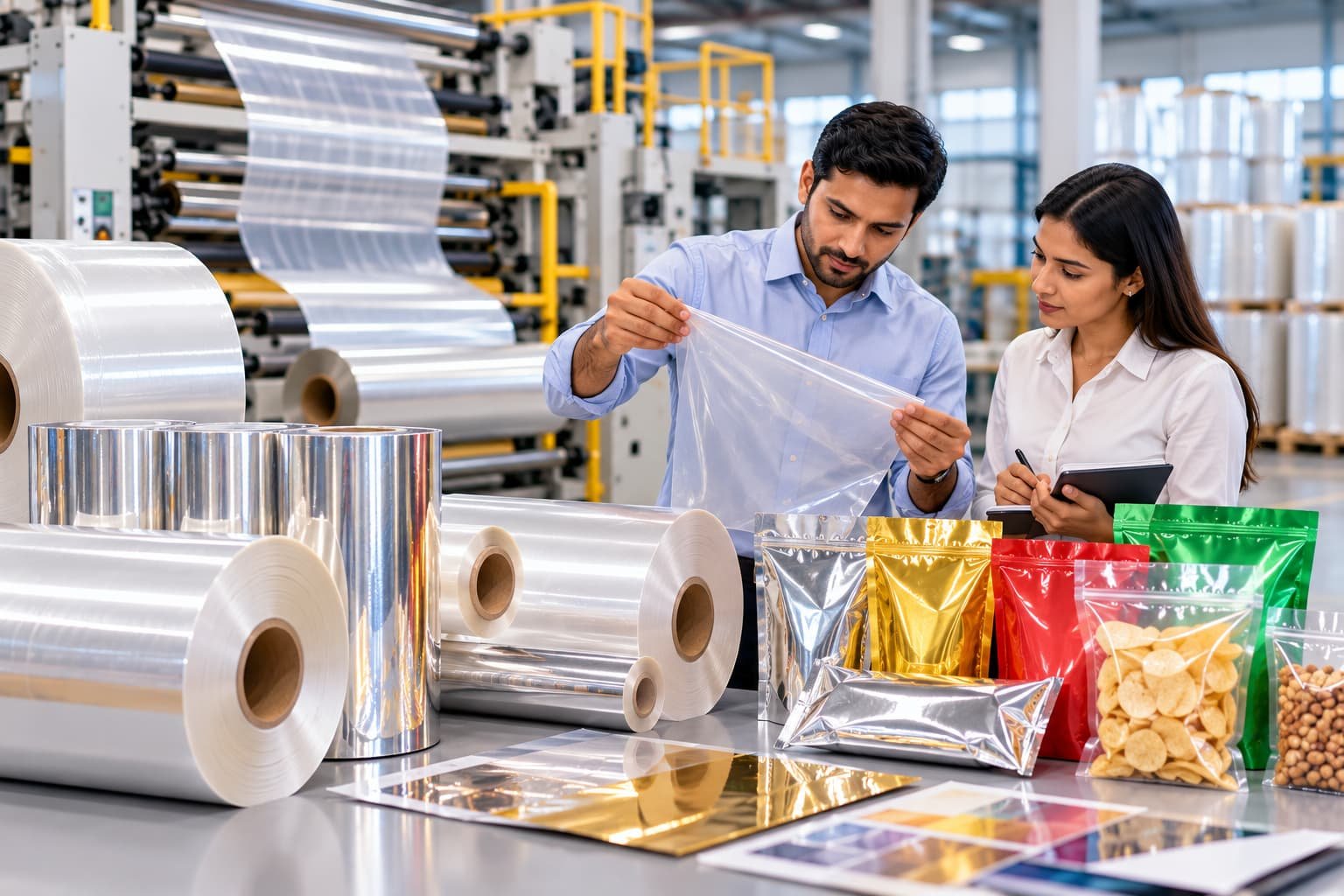
Walk through any Indian supermarket and BOPP film is everywhere: on biscuit wrappers, chips packs, candy twists, cereal pouches and gift wrap. It is clear, stiff, takes print well and keeps moisture out. Because it is so common, buyers sometimes treat it as a commodity and pick BOPP film suppliers in India on price alone.
That is where trouble starts. Two BOPP films with the same thickness can seal, print and laminate very differently. This guide explains what BOPP film is, how the grades differ, what to check when comparing suppliers and where metallised BOPP film fits.
Key takeaways
- BOPP grades differ in sealability, finish, treatment and barrier, so thickness alone is a poor basis for comparison.
- Standard BOPP is not heat-sealable on its own, so it is usually paired with a PE or CPP sealant layer.
- Metallised BOPP adds light, oxygen and moisture barrier plus a premium look.
- Always run print and seal trials before switching suppliers.
What Is BOPP Film?
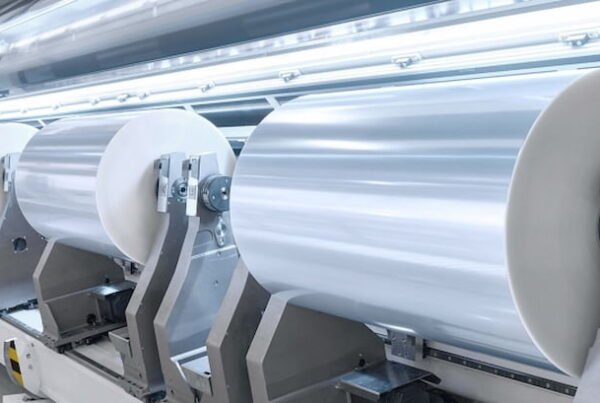
BOPP stands for biaxially oriented polypropylene. The film is extruded and then stretched in both the machine and cross directions. That orientation increases strength and clarity, which is why BOPP became one of the most important films in packaging. It is easy to coat, print and laminate, and it is supplied in large rolls that are slit to suit packaging machines.
Plain BOPP is stiff, clear and a good moisture barrier. Its limits matter just as much. It does not seal well on its own unless it is a heat-sealable grade, and it offers little oxygen barrier unless it is metallised or laminated.
Common BOPP Film Grades and What They Do
Suppliers use different names, but most BOPP grades fall into a few groups:
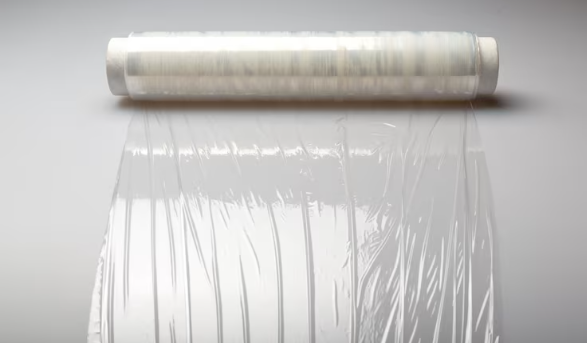
- Transparent (clear) BOPP: for visibility and as a print or lamination layer.
- Heat-sealable BOPP: has a sealable skin, so it can close a pack without a separate sealant film.
- Matt BOPP: gives a soft, non-glossy look for premium packs.
- White or opaque BOPP: blocks light and gives a solid background for graphics.
- Metallised BOPP: a thin aluminium layer for light, oxygen and moisture barrier and a shiny finish.
- Lamination and label grades: formulated for adhesive bonding or labelling.
The right choice depends on whether the film is the outer printed layer, a middle layer or the sealing layer. In most laminates BOPP is the outer web, paired with a sealant such as PE or CPP.
How BOPP and CPP Work Together
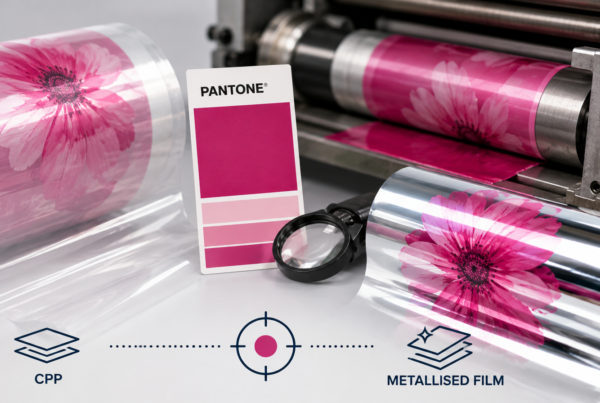
BOPP and cast polypropylene (CPP) often appear in the same pack. BOPP gives stiffness, clarity and a good printing surface. CPP gives softness and a reliable heat seal. A BOPP/CPP laminate, or a BOPP/metallised CPP laminate, combines both. An all-polypropylene structure is one route toward mono-material packaging, although recyclability still depends on local collection and sorting systems.
The laminated films page at Kanodia Technoplast lists BOPP/PE for snacks, cereals and biscuits, and BOPP/BOPP for candy, biscuits and gift wrap. Where CPP is specified for the sealing side, the company’s 7-layer CPP film range is one option.
What to Check When Comparing BOPP Film Suppliers in India
Grade range and availability. Confirm the supplier covers the grades you need, such as clear, matt, white and metallised, in your widths and gauges.
Gauge uniformity. Thickness variation across the roll affects lamination, sealing and yield. Ask for tolerance data.
Surface treatment. BOPP needs surface treatment so inks and adhesives anchor. Treatment fades with time, so ask about shelf life and retest older stock before printing.
Slip and friction. The coefficient of friction affects how the film runs on printing, lamination and filling machines.
Heat-seal performance. For sealable grades, ask for the seal window and seal strength, and test at your machine speed.
Roll quality. Check winding, telescoping, core quality, slit width accuracy and splice policy. Poor rolls stop lines.
Metallised film quality. Ask about optical density, metal adhesion and scuff resistance.
Supply consistency. Look at lead times, batch-to-batch repeatability and what happens to pricing and supply when resin costs move. Indian converters often compare domestic and imported film, so weigh minimum order quantity, payment terms and inventory cost alongside price.
Documentation. Request food-contact or pharma documents suitable for your market.
Then test. Run print and lamination trials with the same artwork and speed for each shortlisted film, and record seal failures, registration and waste.
Printing and Laminating on BOPP
Most BOPP is printed on the reverse side by gravure or flexo and then laminated, which places the ink between layers. For gravure, the cylinder is engraved for the substrate, ink system and machine, so a film change can shift ink laydown and registration. Always run a print trial when you move to a new BOPP supplier.
Kanodia Technoplast also makes rotogravure cylinders and states that in-house cylinder making reduces cost and lead time for new artwork, which helps when artwork and film need to be matched quickly.
Metallised BOPP Film: When Barrier and Shine Both Matter
Metallised BOPP carries a thin aluminium layer applied in a vacuum chamber. The metal blocks light and slows oxygen and moisture transfer, and it gives the shiny look many snack and confectionery brands want. It is lighter and more flexible than foil.
Kanodia Technoplast’s vacuum metallised films page describes a vacuum metalliser, more than three metres wide, supplied from Germany, that handles BOPET, BOPP and CPP films. The company also lists window metallised and holographic films, which add visibility or security to metallised structures.
Common Mistakes When Buying BOPP Film
- Buying by thickness alone and ignoring grade, treatment and slip
- Overlooking how long the surface treatment lasts in storage
- Mixing films from different suppliers within one job
- Testing seals on a lab sealer but not on the actual machine
Where Kanodia Technoplast Fits
Kanodia Technoplast, in flexible packaging since 1995, builds its packaging films business around BOPP film, 7-layer CPP, vacuum metallised films on BOPET and BOPP, blown PE, holographic, window metallised and gift wrap films. The company manufactures and supplies BOPP film, and BOPP is also used as a layer in its laminated films, including BOPP/PE and BOPP/BOPP structures, which the company supplies as roll stock or converts into pouches. It lists production in Delhi and Kundli, Haryana, and serves domestic and export customers.
To discuss a specific BOPP grade, width or gauge, share your specification with the team so they can confirm what suits your application.
Final Takeaway
Good BOPP film suppliers in India do more than ship rolls. They help you match grade, treatment and sealing to the pack, back claims with test data and support trials on your machines. Compare on those points before you compare price.
To discuss BOPP film, metallised films or laminated film requirements, contact the Kanodia Technoplast team with your product, pack format and barrier needs.
Frequently Asked Questions
What is BOPP film?
BOPP is biaxially oriented polypropylene film. It is stretched in both directions during production, which increases strength and clarity, and it is widely used for printing, lamination and packaging.
What is BOPP film used for in packaging?
BOPP is used for snack, biscuit, confectionery, cereal and fresh produce packs, as well as labels and gift wrap, usually as a printed outer layer or within laminates.
How is BOPP different from CPP?
BOPP is stiffer, clearer and easier to print, while CPP is softer and seals at lower temperatures. They are often combined in one laminate.
Is BOPP film heat sealable?
Standard BOPP is not designed to seal on its own. Heat-sealable BOPP grades have a sealable skin, and many packs add a PE or CPP sealant layer instead.
What is metallised BOPP film?
Metallised BOPP carries a thin aluminium layer applied in a vacuum chamber. It improves the barrier against light, oxygen and moisture and gives a shiny finish.
How do you choose BOPP film suppliers in India?
Compare grade range, gauge uniformity, surface treatment, slip, heat-seal performance, roll quality and supply consistency, and run trials on your own machines before approving.
What should be checked before printing on BOPP film?
Check the surface treatment level and its age, gauge uniformity and slip. Run a print trial because ink transfer and registration can change when the film changes.
Can BOPP packaging be recycled?
Polypropylene can be mechanically recycled, and all-polypropylene structures support mono-material design. Actual recyclability depends on inks, adhesives, coatings and local collection systems.