In today’s highly competitive consumer market, packaging plays a crucial role in influencing purchasing decisions. A well-designed package does more than protect a product it communicates brand identity, attracts attention on store shelves, and enhances product visibility. Among the many materials used in modern packaging, BOPP films have become one of the most reliable solutions for flexible packaging. Their strength, clarity, and printing compatibility make them ideal for brands looking to improve both product protection and visual appeal.
One of the reasons brands prefer BOPP films is the performance of Biaxially Oriented Polypropylene films, a packaging material widely recognized for its durability, clarity, and adaptability in high-quality printing applications. These films have revolutionized packaging across industries such as food, pharmaceuticals, personal care, and FMCG products.
Understanding BOPP Films in Flexible Packaging
BOPP stands for polypropylene that has been stretched in two directions during manufacturing, which enhances its strength, transparency, and durability. This process significantly improves the film’s mechanical properties and makes it suitable for a wide variety of packaging applications.
Because of these properties, Biaxially Oriented Polypropylene films have become one of the most commonly used materials in flexible packaging solutions. The films are lightweight, resistant to moisture, and provide strong barrier protection against oxygen and environmental factors that can affect product quality.
For industries dealing with food products, snacks, and consumer goods, this barrier performance helps extend shelf life while preserving freshness and quality.
Exceptional Print Quality for Branding
One of the biggest advantages of BOPP films is their excellent print compatibility. Modern packaging requires vibrant graphics, sharp text, and visually appealing colors to create a strong brand presence on retail shelves.
The smooth surface of BOPP films allows advanced printing technologies such as flexographic, rotogravure, and digital printing to produce high-resolution designs. These films provide exceptional clarity and gloss, which enhances the visibility of printed graphics and product information.
As a result, brands can achieve:
- Sharp and vibrant colors
- High-definition graphics
- Consistent printing quality
- Attractive shelf presence
This printing capability is especially important in industries where packaging must communicate brand values, product details, and promotional messaging effectively.
Improved Shelf Appeal and Consumer Attraction
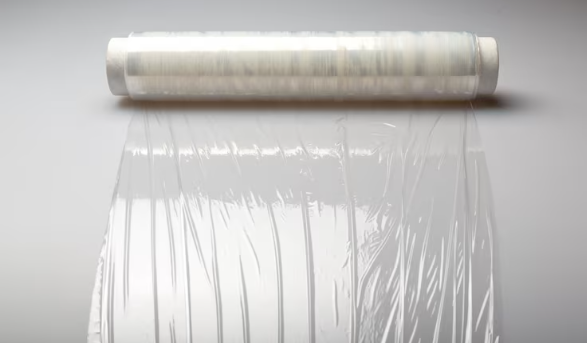
In retail environments, packaging must capture consumer attention within seconds. BOPP films provide excellent transparency and gloss, making products look more appealing while allowing consumers to clearly see the packaged item.
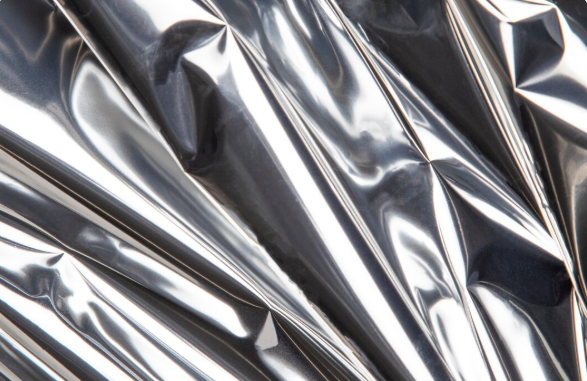
The material also supports various finishes, including matte, glossy, metallic, and holographic textures. These finishes help brands create unique packaging designs that stand out from competitors.
The visual advantages of BOPP films include:
- Superior clarity and gloss
- Enhanced product visibility
- Premium packaging aesthetics
- Improved brand recognition
With such design flexibility, brands can experiment with creative packaging styles that elevate the overall product experience.
Durability and Product Protection
Flexible packaging must balance visual appeal with strong protective performance. BOPP films are known for their high tensile strength and resistance to impact, ensuring that packaged goods remain safe during storage and transportation.
These films offer excellent resistance to moisture, oils, and environmental contaminants, helping maintain product quality over extended periods.
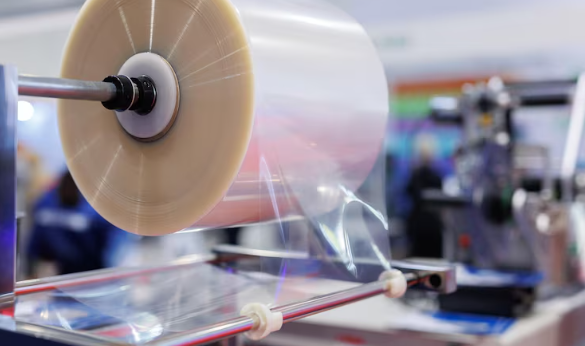
Their structural strength also reduces the risk of punctures, tearing, or deformation during handling. This reliability makes them suitable for high-speed packaging operations and automated production lines.
Sustainability and Lightweight Packaging
As sustainability becomes a major priority for businesses and consumers, packaging materials must support environmentally responsible practices. BOPP films contribute to sustainability in several ways.
First, they are lightweight, which reduces transportation costs and lowers carbon emissions during shipping. Second, many BOPP film structures are recyclable within polypropylene recycling streams.
Flexible packaging also requires less raw material compared to rigid alternatives, which helps reduce overall packaging waste. This combination of performance and sustainability makes BOPP films an attractive option for brands seeking eco-friendly packaging solutions.
Applications Across Multiple Industries
The versatility of BOPP films allows them to be used across a wide range of industries and packaging formats. Some of the most common applications include:
- Snack and food packaging
- Confectionery packaging
- Pharmaceutical products
- Personal care items
- Labeling and overwrap packaging
These films are also widely used for laminated structures and multilayer packaging systems, where they enhance barrier protection and print performance simultaneously.
Role of Kanodia Technoplast in Advanced Packaging Films
Kanodia Technoplast is a leading flexible packaging solutions provider known for its innovative film technologies and integrated manufacturing capabilities. The company produces a variety of packaging films including BOPP, CPP, metallized films, and holographic films designed to meet the evolving needs of global brands.
Through advanced manufacturing infrastructure and continuous research, Kanodia Technoplast develops high-performance packaging materials that support durability, printing excellence, and sustainable packaging practices.
The Future of BOPP Films in Branding and Packaging
The future of packaging lies in materials that combine visual appeal, durability, and sustainability. As brands increasingly rely on packaging to communicate identity and value, BOPP films will continue to play a central role in flexible packaging solutions.
Advancements in film technology are enabling even better printing compatibility, stronger barrier properties, and environmentally friendly packaging structures. These innovations ensure that brands can maintain product protection while delivering engaging packaging experiences to consumers.
For businesses looking to enhance product presentation and strengthen brand visibility, BOPP films remain one of the most effective and versatile packaging solutions available today.
FAQs
What are BOPP films used for in packaging?
BOPP films are widely used for flexible packaging applications such as snack packaging, food wrapping, labels, and laminated pouches due to their strength, clarity, and barrier properties.
Why are BOPP films ideal for printing and branding?
BOPP films offer excellent surface smoothness and clarity, which allows high-quality printing with vibrant colors and sharp graphics for strong brand visibility.
Are BOPP films suitable for food packaging?
Yes. BOPP films are commonly used in food packaging because they provide moisture resistance, barrier protection, and durability while maintaining product freshness.
How do BOPP films improve product shelf life?
Their strong barrier properties protect products from moisture, oxygen, and environmental factors, which helps extend the shelf life of packaged goods.
Are BOPP films environmentally friendly?
Many BOPP films are recyclable and lightweight, which reduces material usage and transportation emissions, supporting sustainable packaging initiatives.