When a business launches a new product or changes its packaging supplier, the decision affects more than appearance. Material performance, production efficiency, product protection and supply consistency all influence the final result.
Finding the best flexible packaging company in India therefore requires a clear understanding of your business requirements. A suitable packaging partner should understand your product, recommend an appropriate packaging structure and provide the manufacturing support needed to maintain consistent quality.
What is flexible packaging?
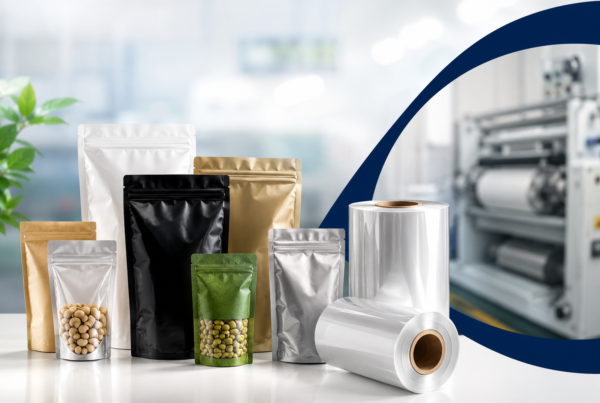
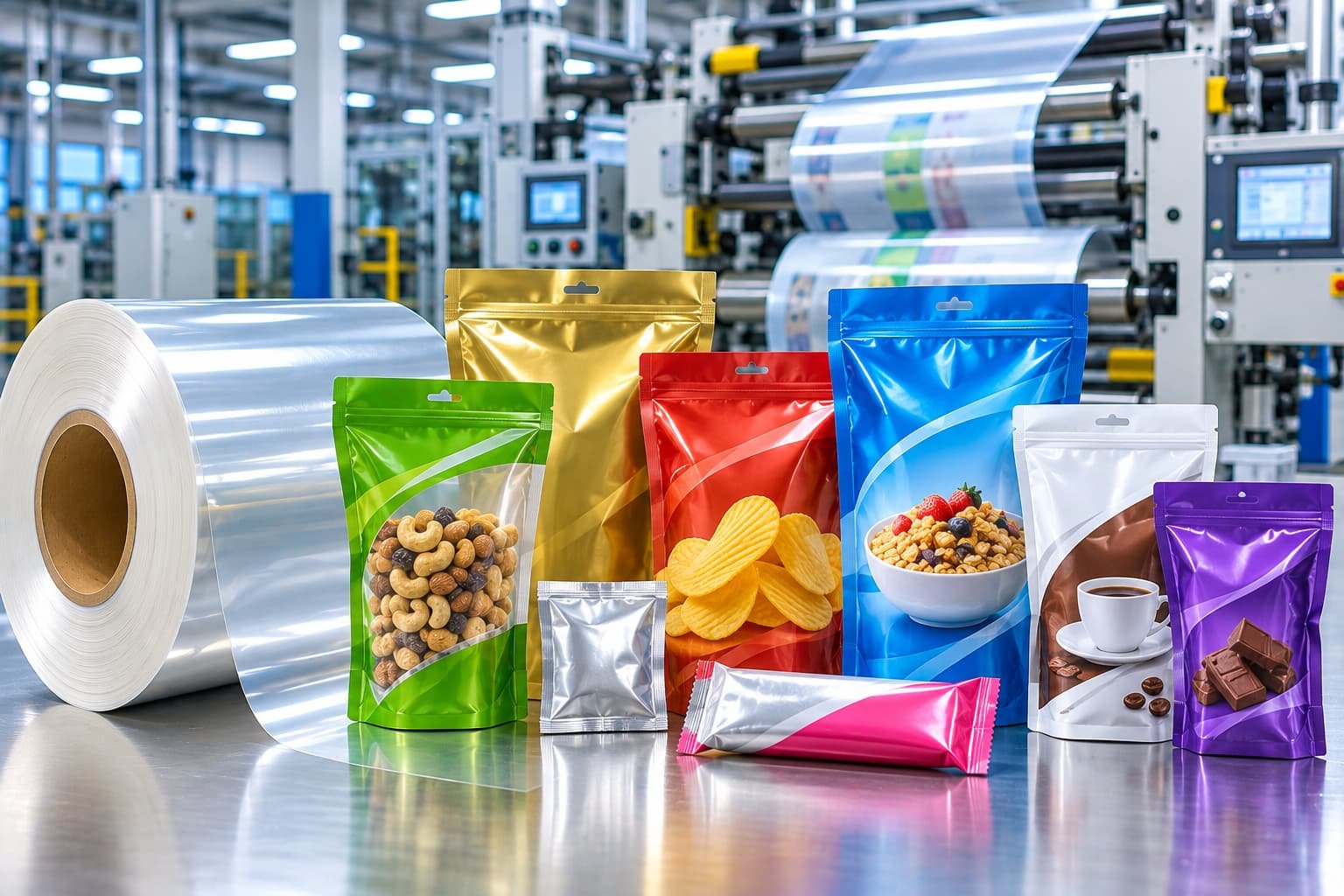
Flexible packaging uses materials that can bend or change shape during filling, handling and storage. Common formats include laminated films, pouches, sachets and other flexible packs. Depending on the application, packaging may use materials such as CPP, BOPP, PE and polyester films.
Different materials serve different purposes. Some contribute to sealing, while others support printing, stiffness or product protection. The final packaging structure must match the product’s requirements and the intended manufacturing process.
Why businesses choose flexible packaging
Efficient product presentation
Printed flexible packaging allows businesses to display branding, product information and visual elements on the pack. The design can be adapted to different product categories and packaging formats.
Material flexibility
Flexible packaging can accommodate a range of product shapes and sizes. Depending on the application, manufacturers can consider films, laminates and pouch formats rather than relying on one standard packaging design.
Packaging performance
Material selection can help address requirements such as sealing, product protection and handling. However, performance depends on the complete packaging structure, product characteristics and production conditions.
Distribution requirements
Packaging must be suitable for the conditions it will experience during transportation and storage. Businesses should evaluate material strength, packaging dimensions and protection requirements before approving a design.
What makes a flexible packaging company suitable for your business?
There is no single definition of the best packaging manufacturer for every buyer. A company that suits a large food manufacturer may not be the right supplier for a small business producing personal care products. The following factors help buyers make a more informed decision.
1. Relevant product experience
Start by understanding the supplier’s experience with your product category. Packaging requirements vary across food, hygiene, pharmaceutical, personal care and textile applications. A supplier should understand the specific material and packaging requirements involved in your product.
2. Manufacturing capabilities
Review which processes the manufacturer performs and which it obtains from external suppliers. Some businesses require film production, printing, lamination and pouch conversion. Others may only need a particular film or finished packaging format. Understanding the supplier’s manufacturing setup helps buyers evaluate process coordination and quality responsibility.
3. Material selection and customisation
A packaging company should help buyers evaluate suitable material options. This includes understanding the product, packaging dimensions, intended use, sealing requirements and production equipment. Customisation should be based on these requirements rather than simply adding design features.
4. Quality control
Packaging quality depends on consistent materials and manufacturing processes. Buyers should ask how the supplier evaluates film dimensions, print quality, lamination and sealing. They should also understand the technical documentation and quality records available for the selected product.
5. Production and supply requirements
A packaging supplier must be able to discuss the buyer’s expected demand, order quantities and delivery requirements. Businesses should confirm these details before approving a supplier.
Questions to ask before choosing a packaging manufacturer
A structured supplier evaluation can help avoid costly mistakes.
| Question | Why it matters |
| Which materials and formats do you manufacture? | Confirms product suitability |
| What technical specifications are available? | Helps compare performance requirements |
| Can you support a packaging trial? | Allows practical evaluation |
| What quality checks are performed? | Helps assess consistency |
| What customisation options are available? | Confirms design and material flexibility |
| What order quantities and supply schedules can you support? | Helps plan production |
These questions should be answered before finalising the packaging specification.
How to compare packaging quotations
Price is important, but it should not be the only comparison. Two packaging quotations may appear similar while using different material structures, thicknesses or manufacturing specifications. Buyers should compare the complete specification, including the packaging format, material composition, dimensions and required performance.
A lower price may not represent better value if the packaging creates production problems or fails to meet product requirements. The best approach is to evaluate comparable specifications and test the packaging before approving regular production.
Why manufacturing integration matters
Packaging may involve several stages, including film production, printing, lamination and conversion. When multiple suppliers handle these stages, communication and coordination become important.
An integrated manufacturer may be able to coordinate more of these processes within its own manufacturing setup. However, buyers should still evaluate the specific processes, quality controls and technical capabilities available.
Kanodia Technoplast describes its business as covering flexible packaging, films and cylinders. Its website also lists packaging films, laminated films and printing-related capabilities.
How Kanodia Technoplast supports flexible packaging requirements
Kanodia Technoplast has operated in the flexible packaging industry since 1995. Its website describes a business covering packaging films, flexible packaging and cylinder manufacturing. The product range includes CPP, metallised and other specialised films, along with laminated films and packaging solutions.
For buyers considering Kanodia Technoplast, the next step is to identify the required packaging format and discuss the material specifications, production requirements and intended application. A clear specification makes it easier to determine whether the company’s available products are suitable for the project.
Conclusion
Choosing the best flexible packaging company in India is a process of matching supplier capabilities with business requirements. Buyers should evaluate product experience, manufacturing processes, material suitability, quality control, customisation and supply requirements.
The right packaging partner is one that understands the product and can support the buyer’s requirements with an appropriate, verified packaging solution.
CTA: Explore Kanodia Technoplast’s products at https://kanodiaindia.com/products/ and packaging films at https://kanodiaindia.com/packaging-films/ to understand its available packaging solutions.
Reference Link Table
| Relevant resource | Why it is relevant | Link |
| About Kanodia | Company background and business divisions | https://kanodiaindia.com/about-us/ |
| Packaging Films | Available packaging film categories | https://kanodiaindia.com/packaging-films/ |
| Products | Information about packaging products and capabilities | https://kanodiaindia.com/products/ |
FAQs
How do I choose the best flexible packaging company in India?
Compare product suitability, manufacturing capabilities, quality controls, customisation, technical support and supply requirements.
What should I check before selecting a packaging supplier?
Review the material specification, packaging format, manufacturing processes, quality documentation and production trial requirements.
Why is manufacturing integration important?
It can improve coordination between manufacturing stages, although the supplier’s actual capabilities and quality processes must still be evaluated.
Can flexible packaging be customised?
Yes. Packaging can be designed around product dimensions, material requirements, printing and the intended packaging format.
Why should packaging be tested before regular production?
Trials help identify issues with material compatibility, sealing, machine handling and packaging performance.
What flexible packaging products does Kanodia Technoplast offer?
Its website lists packaging films, laminated films and other flexible packaging products. Buyers should confirm the exact product required with the company.