In today’s fast-moving industrial landscape, packaging is more than just a protective layer it is a critical component of product safety, logistics efficiency, and brand reliability. Industries such as FMCG, food processing, agriculture, pharmaceuticals, and manufacturing rely on advanced packaging materials to ensure products remain secure during transportation and storage. Among the many flexible packaging materials available today, Blown Polyethylene Films have emerged as one of the most preferred solutions for industrial packaging due to their durability, versatility, and cost-effectiveness.
Manufacturers across industries are increasingly adopting these films because they combine strength, flexibility, and barrier protection in a single material. Companies like Kanodia Technoplast contribute to this evolving packaging ecosystem by developing advanced film solutions designed to meet modern industrial requirements.
Understanding Blown Polyethylene Film Technology
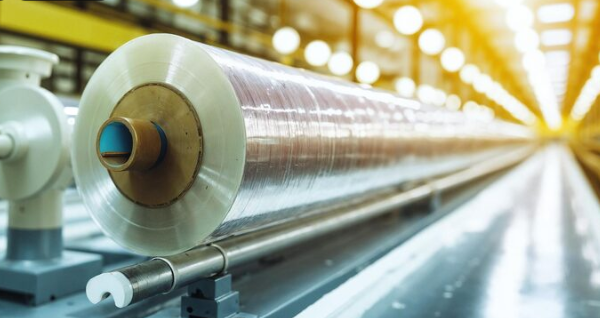
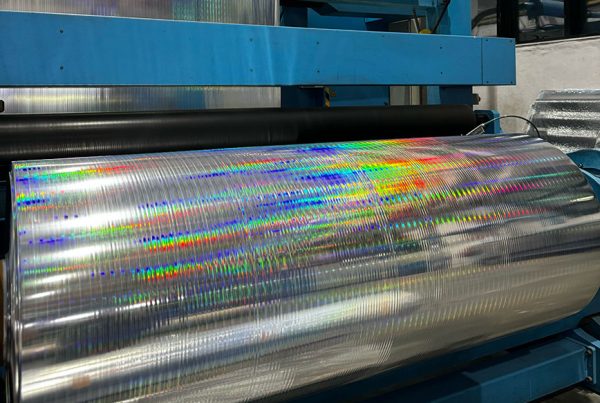
Blown film technology is a widely used manufacturing process in the flexible packaging industry. It involves melting polymer pellets and extruding them through a circular die to form a tube-like bubble of molten plastic. The bubble is then cooled with air, flattened, and rolled into film sheets that can be further converted into bags, liners, wraps, and other packaging formats.
This method allows manufacturers to create films with varying thickness levels, strength characteristics, and multi-layer structures. The flexibility of the process makes it possible to tailor films for specific industrial applications, including heavy-duty packaging, food storage, and protective covers.
Exceptional Strength and Durability
One of the key reasons industries prefer Blown Polyethylene Films is their superior mechanical strength. These films provide excellent tensile strength and puncture resistance, ensuring that packaged products remain protected during transportation and handling.
Industrial packaging often involves bulk materials, heavy products, or long transportation routes. Packaging materials must therefore withstand pressure, stacking weight, and environmental stress. Polyethylene films offer toughness and flexibility, reducing the risk of tears or leaks that could compromise product safety.
This durability makes them particularly suitable for applications such as industrial liners, pallet covers, and protective packaging for machinery or construction materials.
Excellent Barrier Properties
Another reason these films are widely used in industrial packaging is their ability to act as an effective barrier against moisture, dust, and contaminants. Polyethylene films help preserve the quality and shelf life of products by preventing external elements from affecting the contents.
Barrier performance is especially important in industries such as food processing and pharmaceuticals where product integrity is essential. Multi-layer film structures can further enhance barrier performance by combining different polymer materials to improve resistance against oxygen, moisture, and environmental exposure.
Such protective capabilities make flexible polyethylene films a reliable solution for industries requiring secure and hygienic packaging.
Lightweight and Cost-Efficient Packaging
Packaging efficiency is a major factor for companies managing large-scale logistics. Polyethylene films offer an advantage because they are lightweight yet strong, which helps reduce overall packaging weight. This leads to lower transportation costs and improved supply chain efficiency.
Additionally, the blown film manufacturing process allows efficient use of raw materials and high production speeds, making it a cost-effective method for large-scale packaging production.
For businesses that ship thousands of units daily, even small reductions in packaging weight or material usage can result in significant cost savings.
Versatility Across Multiple Industries
A major advantage of blown polyethylene packaging materials is their versatility. These films can be customized in different thicknesses, sizes, and configurations to meet the unique needs of various industries.
Some of the most common applications include:
- Industrial liners for containers and drums
- Packaging for agricultural products
- Protective wraps for machinery and equipment
- Flexible packaging for food and FMCG goods
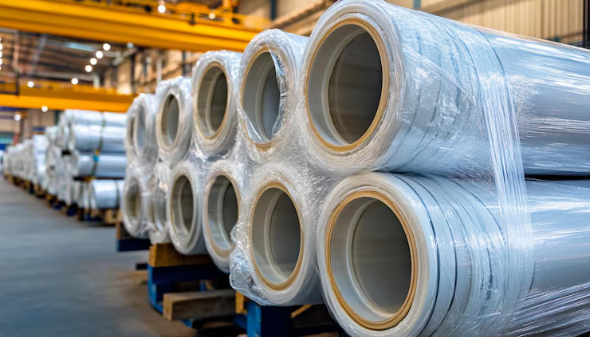
- Stretch films and pallet wraps for logistics
Because they can be engineered with specific properties such as transparency, elasticity, or heat-sealing capability, polyethylene films provide solutions for both industrial and consumer packaging requirements.
Compatibility with Advanced Packaging Technologies
Modern packaging increasingly involves automation, high-speed filling machines, and integrated logistics systems. Packaging materials must therefore perform consistently in automated environments.
Blown film technology allows manufacturers to produce films with uniform thickness, controlled strength, and reliable sealing performance. This ensures smooth operation on automated packaging lines and minimizes production downtime.
Furthermore, technological advancements are enabling films with enhanced features such as anti-fog coatings, improved barrier layers, and specialized functional properties designed for modern packaging needs.
These innovations are helping industries adopt smarter and more efficient packaging solutions.
Sustainability and Responsible Packaging
Sustainability has become a central concern for modern industries. Companies are actively seeking packaging materials that reduce environmental impact without compromising performance.
Polyethylene films support sustainability goals in several ways:
- They require less material compared to rigid packaging.
- Their lightweight nature reduces transportation emissions.
- Many polyethylene films are recyclable within existing recycling systems.
Flexible packaging materials can significantly reduce waste and improve resource efficiency compared with heavier packaging alternatives.
As sustainability initiatives continue to influence packaging design, flexible film technologies are likely to play an increasingly important role.
Supporting Industrial Packaging Innovation
The packaging industry is constantly evolving to meet new consumer expectations and regulatory requirements. Companies are investing in advanced materials, improved film structures, and sustainable manufacturing processes to deliver reliable packaging solutions.
Kanodia Technoplast operates in the flexible packaging sector with a diverse range of film solutions designed for industries such as FMCG, food, cosmetics, and pharmaceuticals. Their approach focuses on delivering durable and versatile film products that support modern packaging needs.
By combining advanced manufacturing technologies with industry expertise, manufacturers continue to improve film performance, sustainability, and customization options for industrial applications.
Conclusion
Industrial packaging demands materials that are strong, adaptable, and cost-efficient while maintaining product safety throughout the supply chain. Blown polyethylene films meet these requirements by offering durability, flexibility, and reliable barrier protection.
From heavy-duty industrial packaging to flexible solutions for consumer goods, these films have become a trusted choice across multiple industries. As packaging technology continues to advance, the role of innovative film solutions will only grow stronger in supporting safe, efficient, and sustainable packaging systems.
FAQs
What are blown polyethylene films used for?
Blown polyethylene films are widely used for industrial packaging, food packaging, pallet wraps, protective liners, and agricultural packaging due to their strength and flexibility.
Why are polyethylene films popular in industrial packaging?
They are lightweight, durable, moisture-resistant, and cost-effective, making them ideal for protecting products during transportation and storage.
How are blown polyethylene films manufactured?
They are produced using the blown film extrusion process, where melted plastic is inflated into a bubble and cooled to create flexible film sheets.
Which industries commonly use polyethylene films?
Industries such as FMCG, food and beverage, pharmaceuticals, agriculture, and logistics rely on polyethylene films for packaging and product protection.
Are polyethylene films environmentally friendly?
Many polyethylene films are recyclable and require less material compared to rigid packaging, which helps reduce overall packaging waste and transportation emissions.