How advanced film technology is transforming food safety, shelf life, and sustainability for India’s food industry.
India’s food industry is undergoing a profound transformation and at the heart of this evolution is packaging. As consumer expectations rise, supply chains grow more complex, and regulations tighten around food safety, the demand for high-performance packaging solutions has never been more critical. Choosing the right flexible food packaging films manufacturer in India is no longer a procurement decision; it is a strategic business imperative.
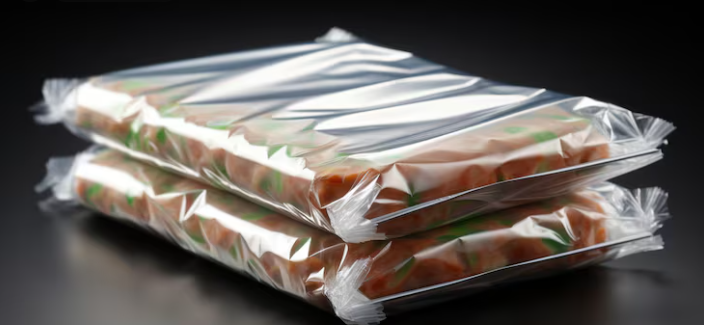
From snack foods and dairy products to ready-to-eat meals and fresh produce, flexible packaging films serve as the first and most critical line of defence against contamination, spoilage, and shelf deterioration. The quality of the film directly impacts product integrity, brand perception, and ultimately, consumer trust.
$8.4B
India flexible packaging market size by 2027
12%
Annual CAGR of food flexible packaging in India
30+
Years of combined innovation in film manufacturing
60%
Of packaged food shelf life depends on film barrier quality
Why Flexible Packaging Films Are Central to Modern Food Business
Rigid packaging once dominated food distribution, but flexible films have redefined the economics of food packaging. They are lighter, easier to transport, cheaper to produce at scale, and far more adaptable to diverse product formats. For food manufacturers and FMCG brands, this translates to direct cost savings in freight, warehousing, and materials without compromising product protection.
Beyond cost, flexible films offer unparalleled design freedom. High-resolution printing, metallic finishes, transparent windows, and matte or gloss surfaces allow brands to create visually compelling packaging that commands shelf presence. In India’s increasingly competitive retail environment, the visual and tactile experience of packaging is a powerful driver of purchase decisions.
“The right film structure doesn’t just protect the product it communicates quality, freshness, and brand identity from the first moment a consumer sees it on the shelf.”
The Technology Behind High-Performance Food Packaging Films
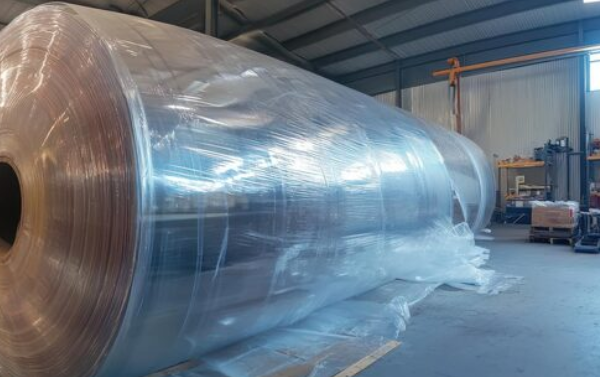
Not all flexible films are created equal. The packaging film industry has evolved rapidly, with multilayer co-extrusion and advanced lamination technologies enabling precise engineering of barrier properties, mechanical strength, and seal performance. Understanding the key film types helps procurement and packaging teams make informed sourcing decisions.
- Cast Polypropylene (CPP) Films — excellent heat sealability and clarity, ideal for snacks and bakery items
- Metallised Films — superior oxygen and moisture barriers, widely used in chips, confectionery, and dry foods
- Blown PE Films — high impact resistance and flexibility, suited for pouches and bulk food wrapping
- Laminated Films — multilayer structures combining barrier, print, and seal layers for maximum performance
- Holographic Films — anti-counterfeit and premium aesthetics for branded food products
- Monomaterial Films — recyclable structures addressing sustainability mandates in food packaging
Each film type is engineered with specific food applications in mind. CPP films, for instance, are preferred for their excellent heat seal initiation critical for high-speed filling lines. Metallised films deliver the oxygen transmission rates required for extended shelf life in moisture-sensitive foods. The selection of the right film structure must account for product characteristics, processing conditions, distribution temperature, and desired shelf life.
Food Safety and Compliance: Non-Negotiable Standards
When sourcing from any flexible food packaging films manufacturer in India, food safety compliance must be a primary evaluation criterion. Films intended for direct or indirect food contact must comply with FSSAI regulations, BIS standards, and where applicable, FDA or EU food contact regulations for export-oriented products.
Food grade packaging films are manufactured from virgin, food-approved resins that are free from harmful migrants, heavy metals, and prohibited additives. The manufacturing environment must be controlled to prevent contamination during film production. Certifications such as ISO 22000, HACCP, and BRC Food Safety provide third-party validation that a manufacturer’s processes meet the highest food safety benchmarks.
What to Look for in a Compliance-Ready Packaging Partner
Verify ISO 22000 or FSSC 22000 certification, request migration test certificates for each film grade, confirm that raw materials are sourced from food-approved resin suppliers, and ensure the manufacturer maintains documented traceability for every batch supplied to your production facility.
Sustainability: The New Competitive Advantage in Food Packaging
Sustainability is no longer a peripheral concern for food brands it is a central purchasing criterion for retail partners, institutional buyers, and increasingly, end consumers. Extended Producer Responsibility (EPR) regulations in India are placing measurable obligations on brands to ensure that packaging materials are recyclable, recoverable, or compostable. This regulatory reality is reshaping specifications across the food packaging value chain.
Progressive packaging film manufacturers are responding with recyclable mono-material structures, PCR (post-consumer recycled) content films, water-based lamination systems, and light-weighting initiatives that reduce overall plastic tonnage per unit. These innovations allow food brands to meet regulatory requirements and sustainability commitments without sacrificing the barrier performance needed to protect product quality.
Kanodia Technoplast: Setting the Benchmark for Innovation
Among India’s most respected names in flexible packaging, Kanodia Technoplast has been at the forefront of manufacturing excellence since 1995. With a comprehensive product range spanning CPP films, metallised films, blown PE films, holographic films, laminated structures, pre-formed pouches, and rotogravure printing cylinders, the company serves as a one-stop packaging partner for food manufacturers, FMCG leaders, and export-oriented food businesses across India and globally.
As a leading food grade packaging films supplier India trusts, the company combines advanced manufacturing infrastructure including 7-layer CPP film plants with in-house rotogravure cylinder production, ensuring precision, consistency, and rapid turnaround. Its accolades, including the WorldStar, AsiaStar, and IndiaStar packaging awards, are a testament to its commitment to innovation and quality that meets global benchmarks.
For B2B buyers, the value proposition extends beyond product quality. Kanodia Technoplast’s integrated capabilities spanning film production, printing, lamination, and pouch forming reduce supply chain complexity, compress lead times, and deliver a consistent quality baseline across all packaging components. Their ongoing investment in sustainable packaging solutions positions them as a long-term partner for food brands navigating the evolving regulatory and consumer landscape.
How to Evaluate and Select the Right Packaging Film Supplier
For procurement managers and packaging technologists, selecting a flexible food packaging films partner requires a structured evaluation process. Price per kilogram is only one dimension of value. The following criteria define a truly capable and reliable packaging film supplier:
- Certifications: ISO 9001, ISO 22000, FSSC 22000, and applicable food safety standards
- Technical capability: range of film types, layer counts, barrier options, and printing capabilities
- Customisation: ability to develop bespoke film structures for specific product requirements
- Lead time and reliability: on-time delivery performance and production capacity headroom
- Sustainability credentials: recyclable options, water-based lamination, PCR content availability
- Track record: client portfolio, industry awards, and reference accounts in the food sector
A supplier that ticks all these boxes is not merely a vendor they become an extension of your product development and quality assurance function. In a sector where packaging failure can trigger product recalls, brand damage, and regulatory penalties, the cost of choosing the wrong partner far outweighs any short-term saving on unit price.
The Road Ahead: What’s Shaping the Future of Food Packaging Films
Several converging trends are shaping how flexible food packaging films will evolve over the next decade. Active and intelligent packaging incorporating oxygen scavengers, moisture absorbers, and freshness indicators is moving from premium niche to mainstream application. High-barrier monomaterial films that simplify end-of-life recycling while meeting demanding shelf life requirements represent one of the industry’s most significant engineering challenges and commercial opportunities.
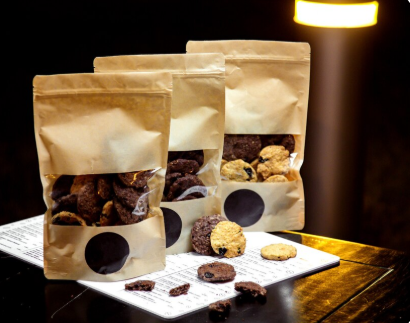
Digital printing integration with flexible film substrates is enabling shorter runs, personalised packaging, and faster time-to-market particularly relevant for D2C food brands and regional specialty food producers. Meanwhile, the growing adoption of standup pouches, spouted pouches, and resealable formats continues to expand the design vocabulary of food flexible packaging, creating new demands on film performance and lamination technology.
For food businesses in India, the implication is clear: alignment with a technically advanced and forward-looking flexible food packaging films manufacturer is essential to staying competitive, compliant, and consumer-relevant in a rapidly evolving market.
Frequently Asked Questions
What types of flexible food packaging films are available for food manufacturers in India?
Food manufacturers in India can choose from a wide range of flexible packaging films, including Cast Polypropylene (CPP) films, Metallised films, Blown PE films, Laminated films, and Holographic films. Each type is engineered to address specific requirements such as moisture resistance, oxygen barrier, heat sealability, and aesthetic presentation. A reliable flexible food packaging films manufacturer in India will help you select the most suitable film construction based on your product type, shelf life targets, and distribution conditions.
How do food grade packaging films ensure product safety and compliance in India?
Food grade packaging films are manufactured using FDA-approved and BIS-compliant raw materials that are non-toxic and safe for direct food contact. A trusted food grade packaging films supplier India ensures films meet FSSAI guidelines and international food safety standards. These films are tested for migration properties, chemical resistance, and barrier performance to prevent contamination, preserve freshness, and maintain nutritional integrity throughout the supply chain.
What is the minimum order quantity (MOQ) when sourcing flexible food packaging films from an Indian manufacturer?
MOQ requirements vary depending on film type, thickness, width, and customisation specifications. Most established flexible packaging manufacturers in India offer scalable order quantities to accommodate both mid-sized food processors and large FMCG brands. It is advisable to discuss your production volume requirements directly with the manufacturer to get precise MOQ details and competitive pricing aligned with your procurement cycle.
Can flexible food packaging films be customised for branding and shelf appeal?
Yes, flexible food packaging films can be fully customised for print design, lamination structure, barrier properties, and surface finish. High-resolution rotogravure printing delivers vibrant, brand-consistent graphics directly onto the film. From matte and glossy surfaces to metallic finishes and transparent windows, customisation enables food brands to create strong shelf presence while maintaining all required functional properties for food preservation.
What sustainable packaging options are available for food brands looking to reduce environmental impact?
Sustainable flexible food packaging films include recyclable mono-material films, PCR (post-consumer recycled) content films, water-based laminated structures, and bio-based film alternatives. Leading manufacturers invest in eco-friendly solutions that reduce plastic waste without compromising barrier performance or food safety. Food brands should look for manufacturers offering certified recyclable or compostable packaging options with transparent environmental reporting.
Image Source: Google Images, Freepik, Social Media Platforms & AI Tools