
Kanodia Technoplast continues to lead the flexible packaging industry with its state-of-the-art vacuum metallizing technology. This advancement not only underscores Kanodia’s commitment to quality but also highlights the company’s pioneering spirit in adopting and mastering cutting-edge technologies that set new industry standards.
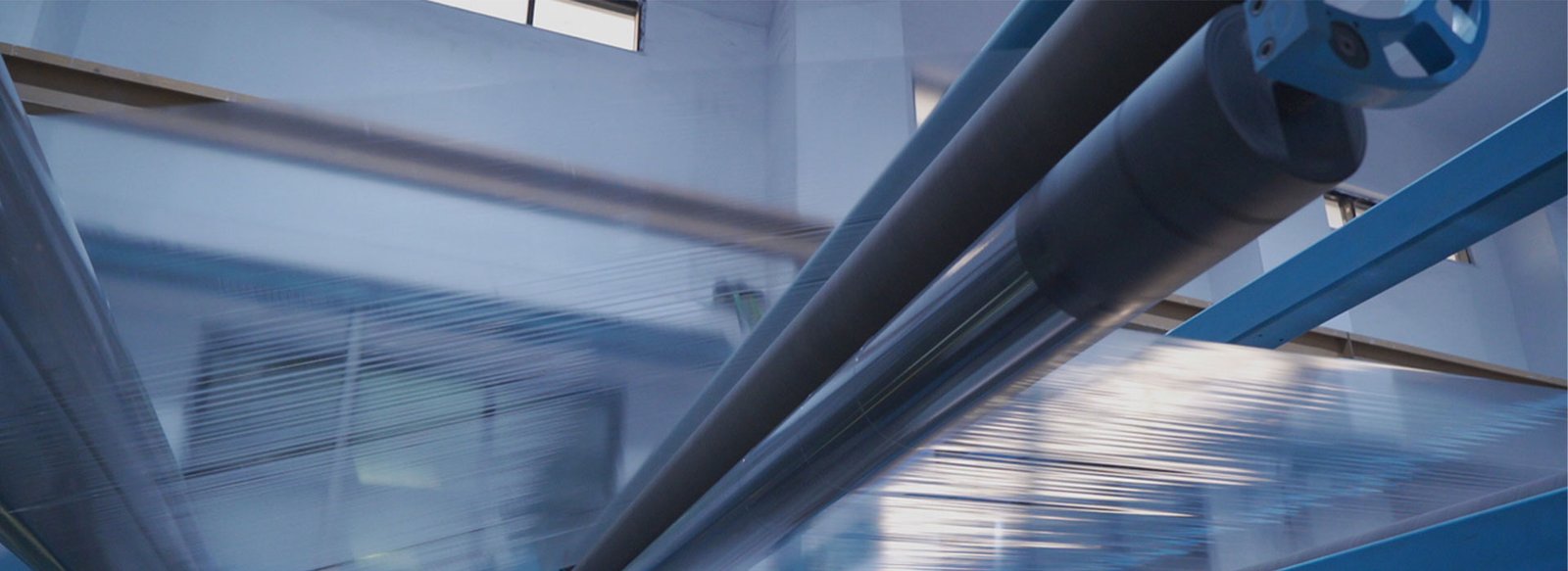
Vacuum Metallizer Films
Vacuum Metallizer Films
Elevating Flexible Packaging with Precision and Innovation
Vacuum Metallizing: A Technological Marvel
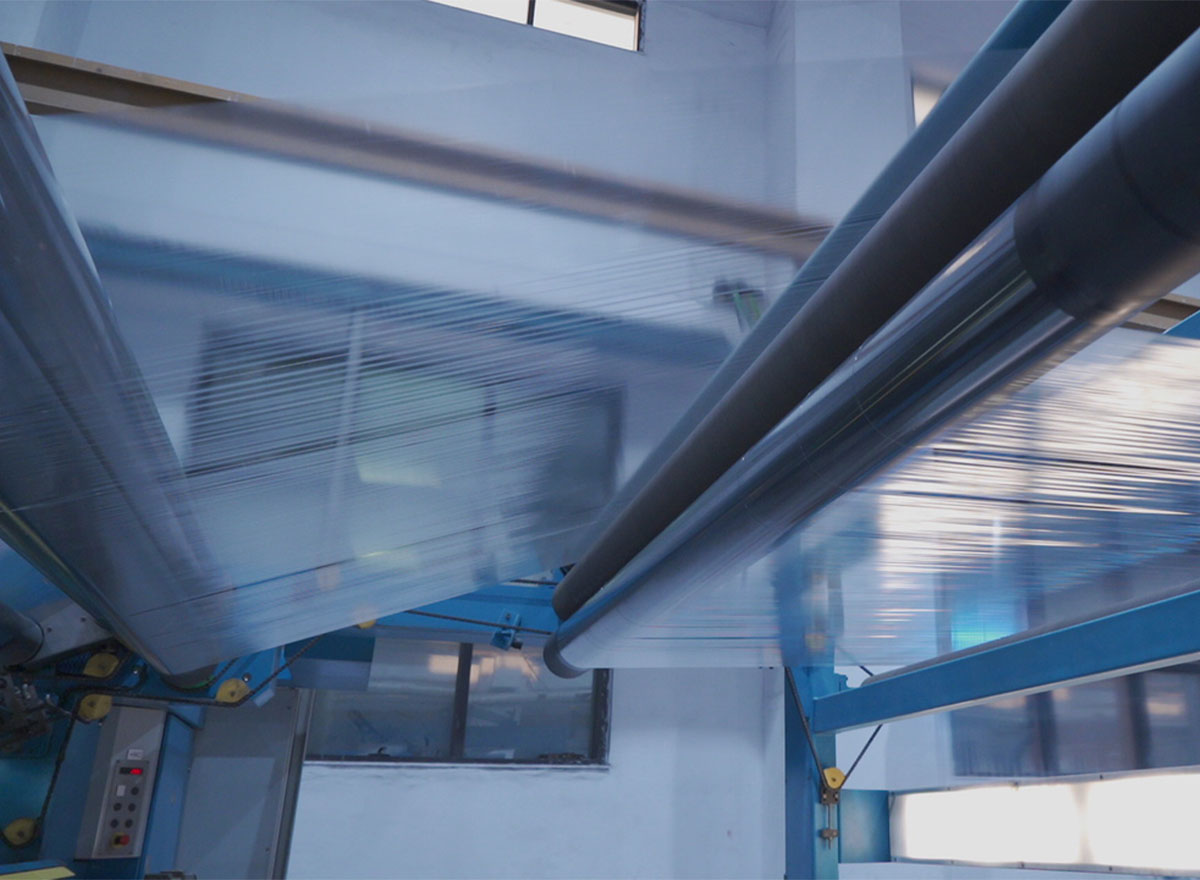
Kanodia Technoplast has introduced a 3.3-meter-wide Vacuum Metallizer from Applied Materials, Germany, marking a significant achievement in the packaging industry. This equipment, one of the widest of its kind in India, is specifically designed to handle a variety of materials such as BOPET, BOPP, and notably, CPP— a world first.
The vacuum metallizing process involves heating metal in a vacuum chamber until it vaporizes. This technology uses two primary methods: physical vapor deposition (thermal evaporation) and chemical vapor deposition (sputtering). Kanodia’s choice of this advanced technology emphasizes efficiency, environmental friendliness, and safety, offering a versatile range of functional and decorative coatings with high adhesion and improved reflectivity. These coatings are particularly beneficial in sectors requiring electronic interference shielding, moisture or vapor barriers, and high tolerances for properties like uniformity and adhesion.
The Impact of Vacuum Metallizing Technology
Kanodia Technoplast’s utilization of vacuum metallizing technology represents a leap forward in packaging solutions. This process, recognized for its cost-effectiveness and environmentally friendly nature, is increasingly preferred over traditional methods like electroplating. It provides brighter and more diverse color options, longer color retention, and is less prone to corrosion. This technological edge positions Kanodia at the forefront of innovative packaging solutions, offering unmatched quality and efficiency to its clients.
Conclusion
Kanodia Technoplast’s advanced vacuum metallizing technology is setting new benchmarks in the flexible packaging industry. Their commitment to innovation and quality is evident in the adoption of these advanced technologies, ensuring they remain leaders in the packaging sector. Kanodia’s approach is not just about meeting current demands but is also geared toward anticipating and addressing future challenges and opportunities in packaging.
Vacuum Metallizer Films FAQs
What are vacuum metallizer films used for?
Vacuum metallizer films are used in packaging to create a metallic barrier layer that protects products from moisture, oxygen, and light. They are commonly used in food, FMCG, and pharmaceutical packaging applications.
What is the advantage of using vacuum metallized packaging films?
These films provide excellent barrier protection, improved shelf life, strong visual appeal, and enhanced product protection while remaining lightweight and cost-effective.
Which industries use vacuum metallizer films?
Vacuum metallized films are widely used in food packaging, snack packaging, pharmaceutical products, confectionery packaging, and personal care products.
Are vacuum metallizer films suitable for flexible packaging?
Yes, vacuum metallized films are widely used in flexible packaging because they combine durability, strong barrier performance, and high printing compatibility.
What materials are commonly used in vacuum metallized films?
Most vacuum metallized films are made from BOPP, PET, or CPP base films that are coated with a thin aluminum layer using a vacuum metallization process.
Do vacuum metallized films improve product shelf life?
Yes, the metallic layer creates a barrier against oxygen and moisture, helping preserve freshness and extend product shelf life.
Can vacuum metallized films be printed or laminated?
Yes, these films support high-quality printing and lamination, making them suitable for branded packaging and complex packaging structures.
Are vacuum metallized films eco-friendly?
Many modern metallized films are designed to reduce material usage and improve packaging efficiency, which helps support sustainable packaging goals.
What is the difference between aluminum foil and metallized film?
Aluminum foil is a solid metal layer, while metallized film contains a very thin aluminum coating on a plastic film. Metallized films are lighter and more flexible.
How do vacuum metallized films enhance packaging appearance?
The reflective metallic surface gives packaging a premium look and helps brands create visually attractive packaging on retail shelves.